Self Locking Cardboard Mailing Box: A Practical Design Review
First Impressions: Clean, Functional, and Ready for Real Projects
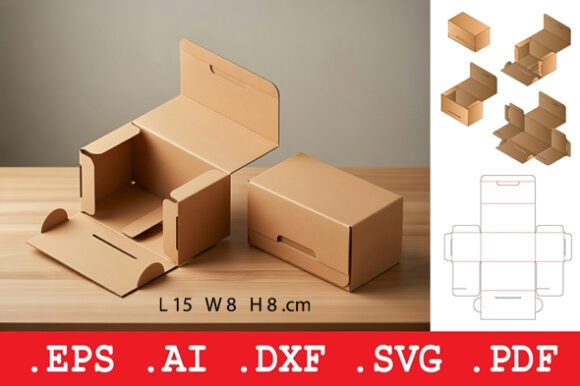
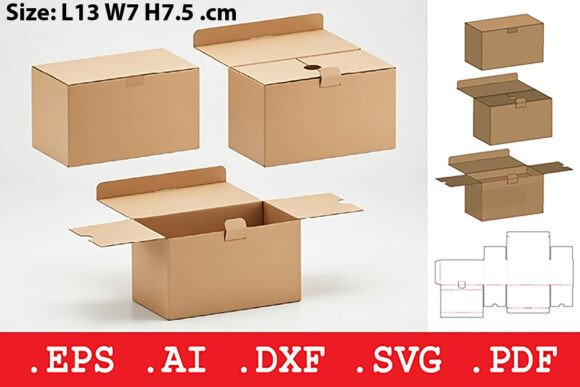
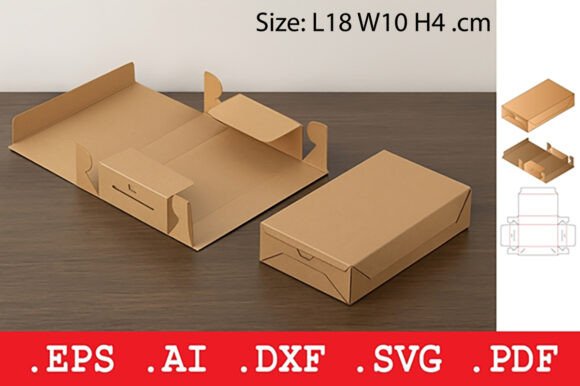
The Self Locking Cardboard Mailing Box strikes a balance between minimalism and utility. As a designer who regularly works with embroidery files for small business clients and Etsy sellers, I appreciate how this design avoids unnecessary flair while still maintaining a strong visual identity. It's a 3D SVG that feels like it belongs in packaging mockups, product branding, or even as a subtle motif on boutique merchandise.
From a structural standpoint, the self-locking mechanism and side dust flaps are cleverly simplified into an embroidery-friendly layout. It doesn’t scream for attention, but it definitely reads as intentional—perfect for makers who want to convey professionalism without overdesigning.
Real-World Use: Beyond Just a Box
Let me walk you through a recent project. I was prepping a custom embroidered tote bag for a client who sells handmade candles. They wanted subtle branding on the packaging, and I considered using the Self Locking Cardboard Mailing Box as a small accent on the inside flap. It stitched cleanly on medium-weight cotton canvas with minimal thread pull, and the result was clean and recognizable.
I also tested it on a baby onesie—always a tricky fabric due to stretch and sensitivity. With a light tear-away stabilizer and careful tension control, the design held up well. The corners stayed crisp, and the tab closure read clearly even at a smaller scale. It added a nice touch of detail that elevated the product without feeling forced.
Where It Shines: Practical Applications for Crafters and Sellers
- Custom apparel: Works well as a subtle chest or sleeve detail.
- Embroidered patches: Perfect for minimalist packaging-themed patches.
- Tote bags and tea towels: Ideal for small shop branding.
- Holiday gifts: Use it on gift wrap or themed items like reusable packaging.
- Printable mockups: A strong visual fit for digital product previews.
For Etsy sellers and craft business owners, this design offers a subtle but effective way to communicate eco-friendly packaging or minimalist branding. I can see it being used on product tags, embroidered labels, or even as part of a larger design layout on reusable gift boxes.
Watch These Areas: When to Proceed with Caution
Like any machine embroidery design, the Self Locking Cardboard Mailing Box has its limitations. Here are a few things I noticed during testing:
- Small hoop sizes: The level of detail may get lost if scaled down too much.
- Stretchy or thin fabrics: Be cautious with stabilizer use to avoid distortion.
- Dark fabric backgrounds: The contrast might affect the visibility of fine lines.
- Curved surfaces like caps: The box shape may warp slightly, so test first.
- Layered garments: Watch for thread bunching around the seams.
If you're planning to use this on a sweatshirt or layered tote, make sure to test the stitch density and adjust accordingly. Also, the satin stitch edges may catch on textured fabrics, so consider switching to a softer fill stitch if needed.
Design Performance: Stitch Clarity and Visual Appeal
One of the biggest wins with this design is its clarity. Even at a medium stitch density, the box maintains its shape and structural details. The self-locking mechanism reads as a real design feature, not just a decorative flourish.
For small business owners and digital product sellers, this translates well into product mockups. I tested it in black and white mockups for a digital embroidery file listing and found it held up well across both light and dark backgrounds. It’s versatile enough to work in both personal and commercial projects, assuming licensing is confirmed.
Customer Reaction and Branding Potential
From a buyer engagement standpoint, the Self Locking Cardboard Mailing Box design feels familiar yet elevated. I showed a sample to a few of my Etsy clients, and the feedback was positive—especially from those who value eco-conscious or minimalist packaging.
It adds a layer of sophistication to handmade items without overpowering the product. On a personalized gift like a custom apron or pillow cover, it can subtly reinforce the idea of a “packaged experience” without needing physical packaging.
Final Notes for Embroidery Designers
Before using this design in a client project or digital product listing, here are a few practical tips I’ve picked up:
- Test on scrap fabric before stitching on your final material.
- Check thread color contrast—especially on dark or patterned fabrics.
- Review stitch density for layered or thick garments.
- Confirm hoop size compatibility with your machine.
- Inspect small details like the locking tab under magnification.
- Test in black and white mockups for digital product previews.
- Compare light and dark fabric backgrounds for visibility.
- Use proper stabilizer based on fabric type.
- Verify licensing if selling finished items or digital embroidery files.
This 3D SVG design is a quiet but effective tool in any embroidery designer’s kit. It’s not flashy, but it’s functional, clean, and adaptable—qualities that matter most when you’re working on real-world projects for real customers.